Hi, I'm Luong Chi Trung

AI Engineer & Researcher

I am an experienced AI Engineer with strong expertise in designing and developing AI solutions, especially for graph-based problems such as traffic forecasting and time-series forecasting. I have also hands-on experience working with RAG, AI Agent and end-to-end AI system development. With a strong problem-solving mindset and a continuous learning attitude, I am motivated to apply advanced AI techniques to solve challenging business and research problems.

You can also call me Truni (mean "Trung nè" in Vietnamese) 🤗

Research interests: Vision Language Model, Graph Neural Network, Time-series Forecasting, Traffic Forecasting

Truni's Career
2024
AI Researcher at AIAI Laboratory
Mar 2024 - Apr 2026
2025
Fresher AI Engineer at VTC Telecom
Nov 2025 - May 2026
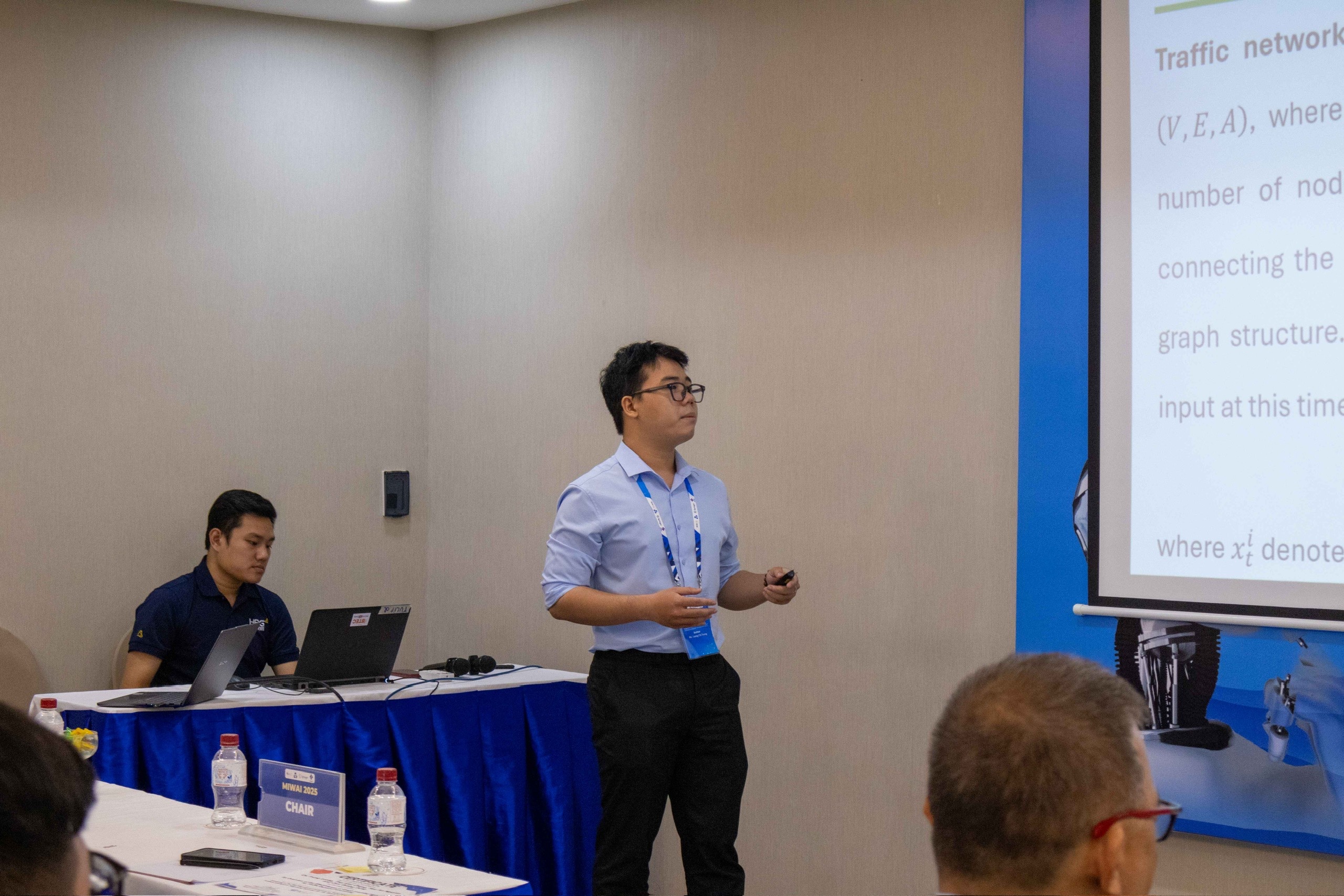
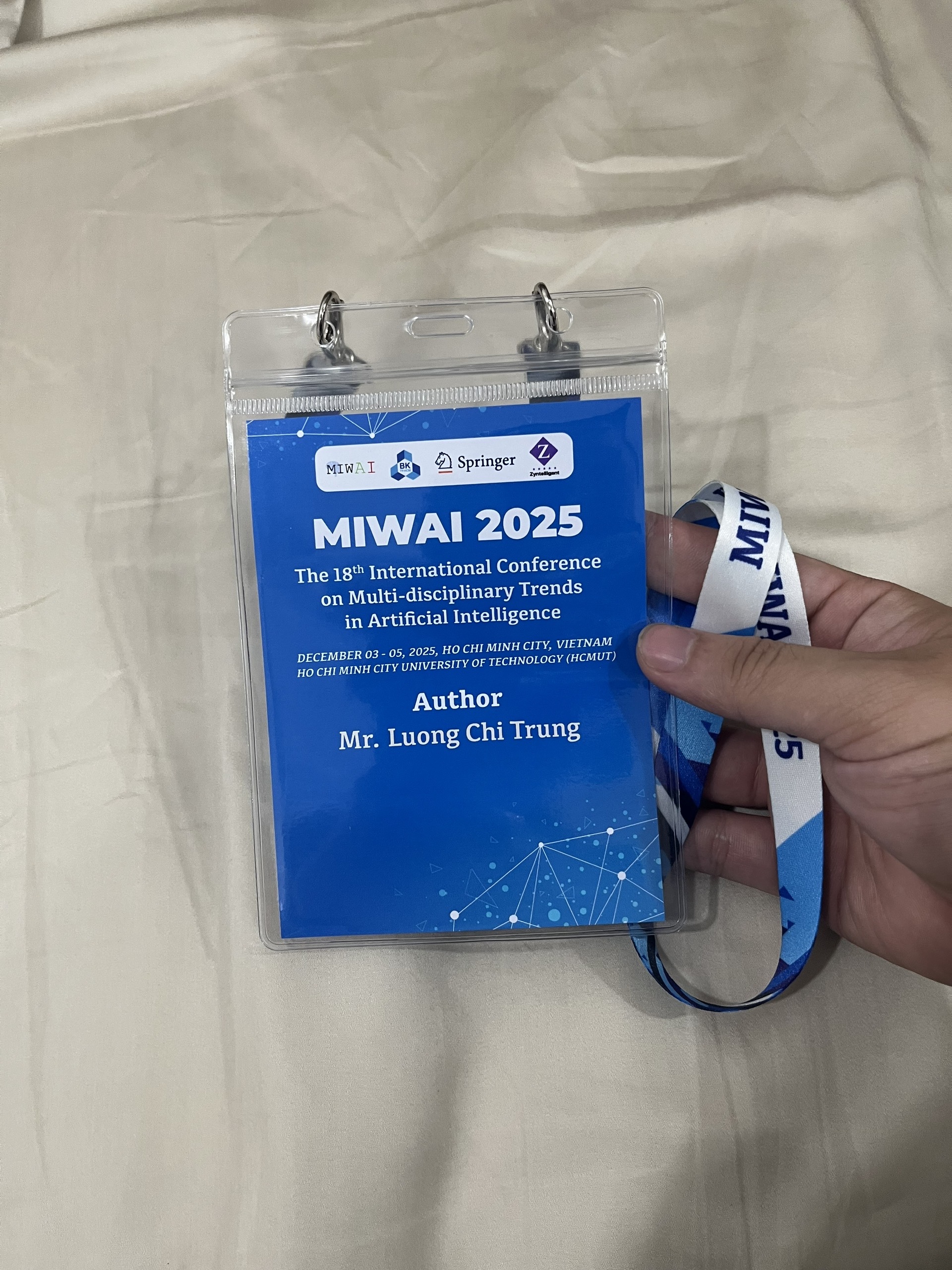
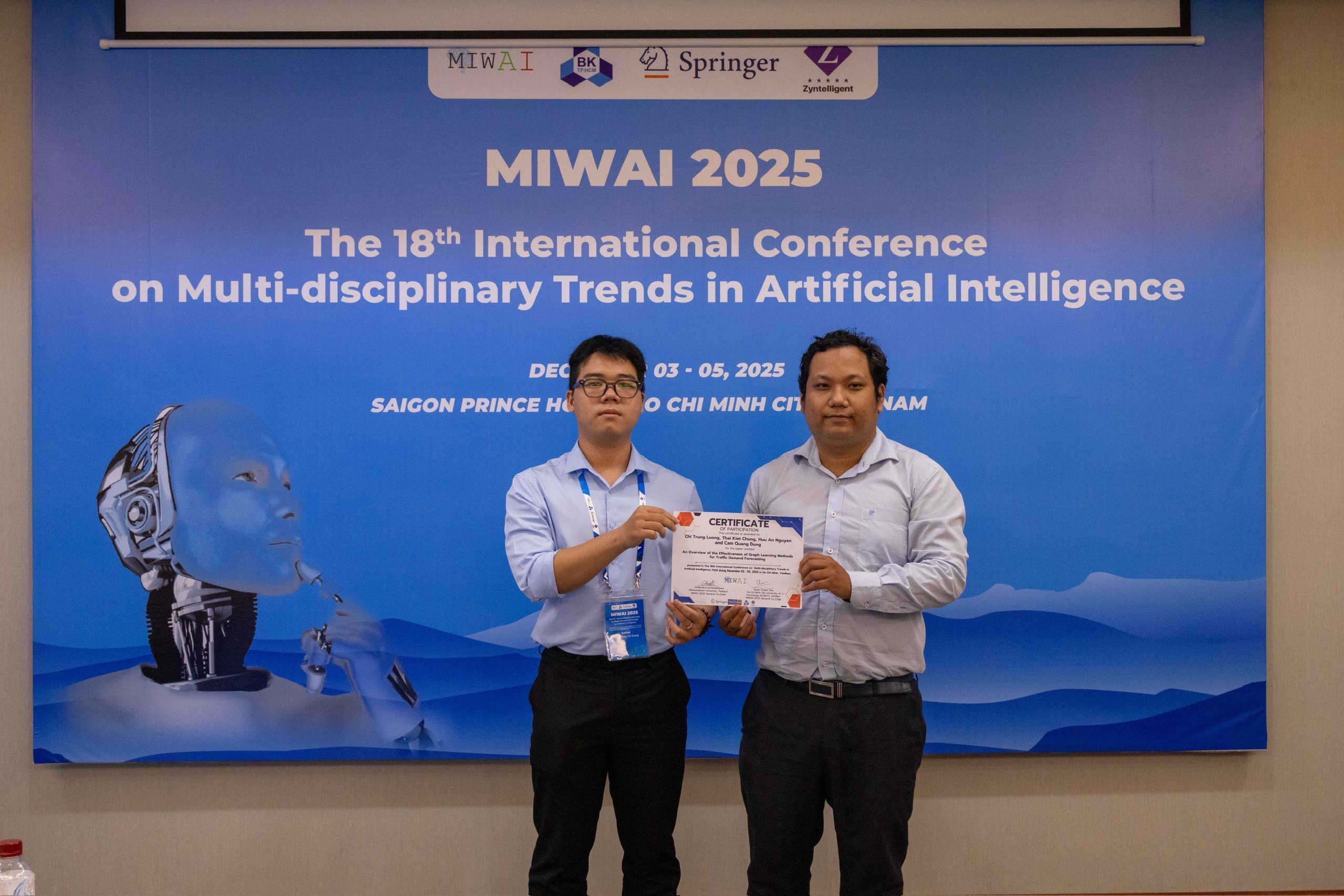
😎 My first paper in MIWAI 2025
GNN in Traffic Demand Forecasting
MIWAI 2025 1
MIWAI 2025 2
MIWAI 2025 3
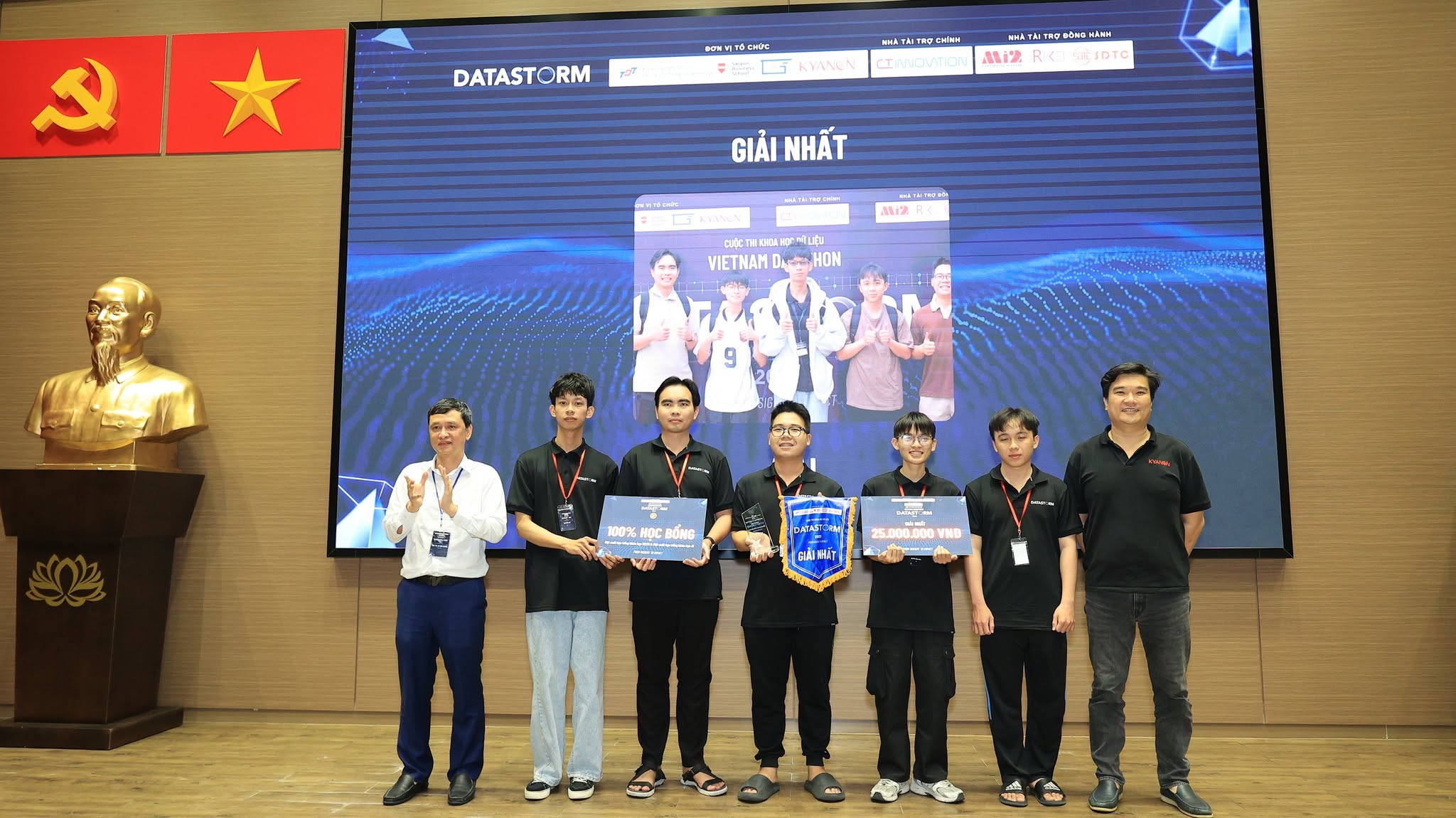
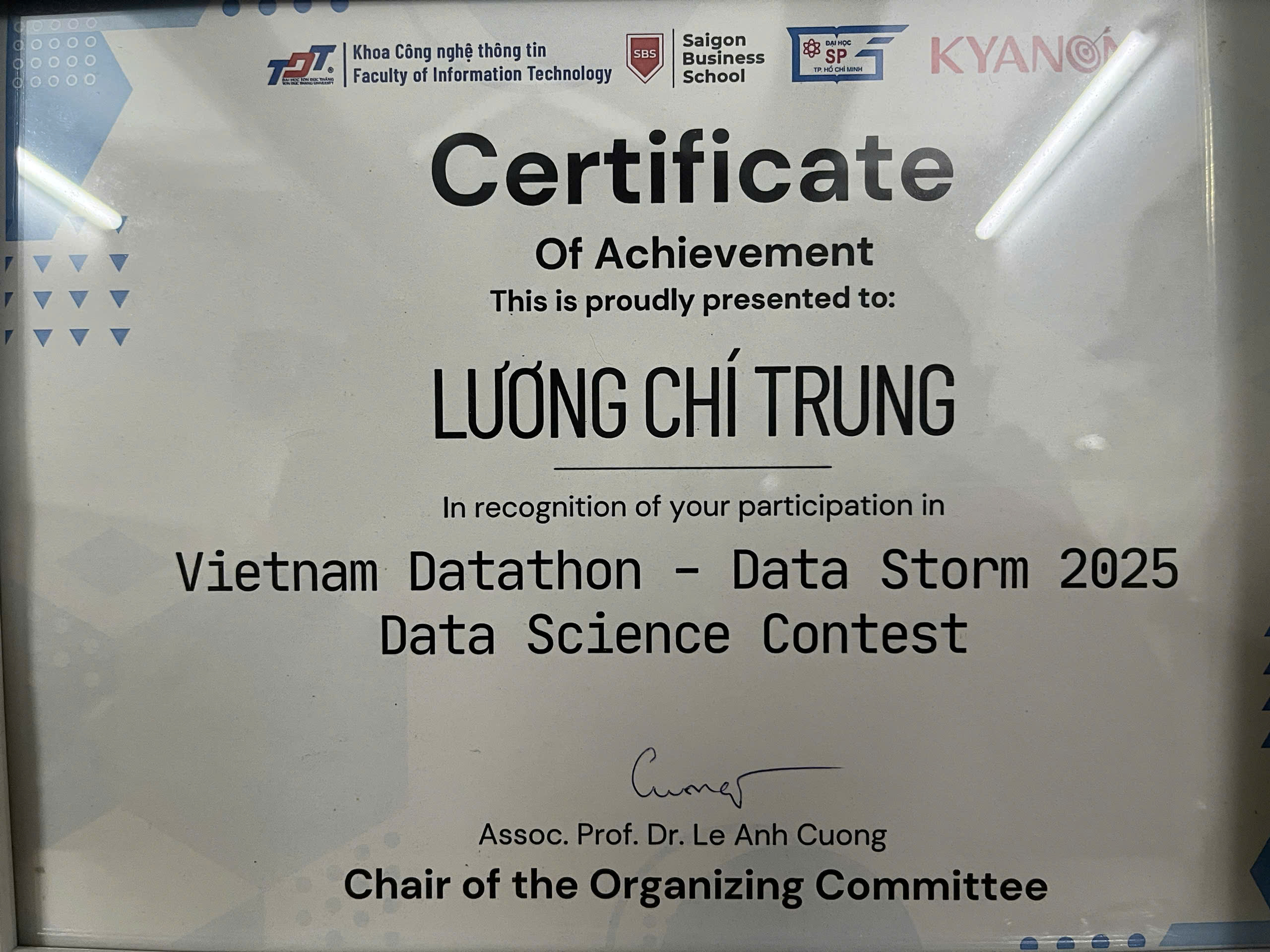
First Prize of DATASTORM 2025
Won with AIAI members among 100+ teams
Datastorm 1
Datastorm 1
2026
Accepted paper in ICCIES 2026
Long-term Time Series Forecasting Approaches
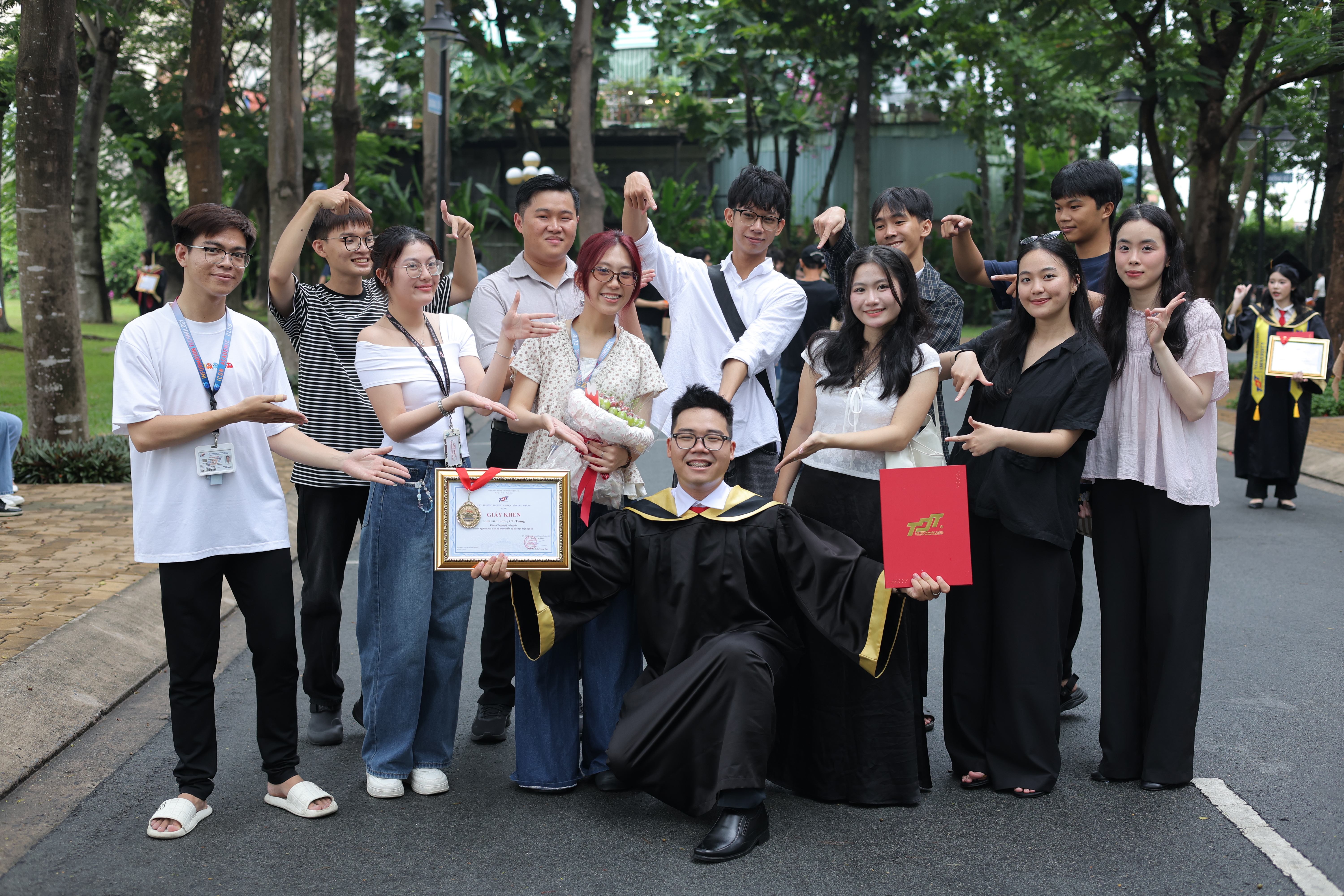
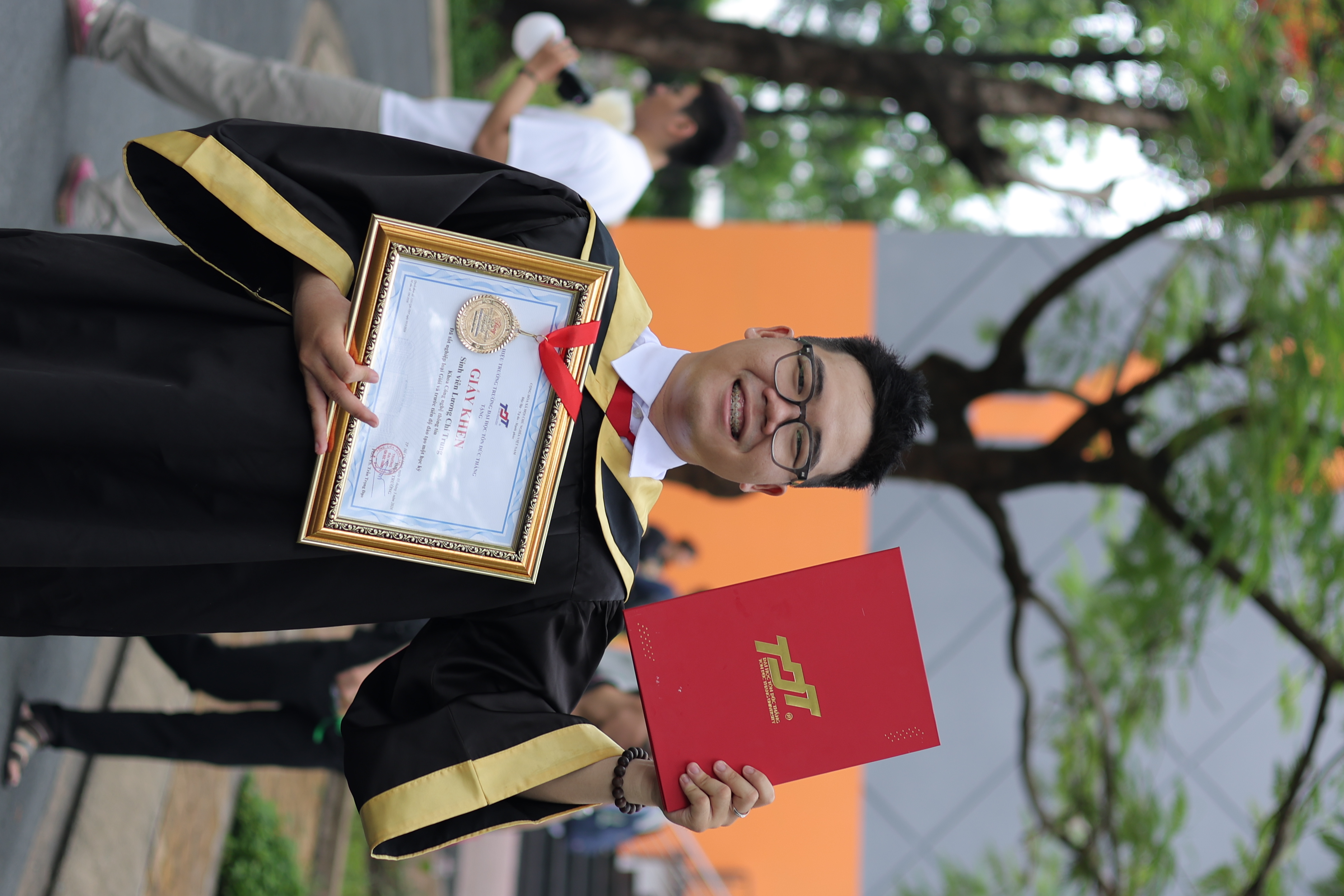
Bachelor's Degree in Computer Science Ton Duc Thang University
8.5/10 GPA
Bachelor TDTU 1
Bachelor TDTU 2

Projects

Publications

Revisiting Long-Term Time Series Forecasting: An Empirical Perspective on Recent Approaches

Ha-Trong Nguyen, Nguyen-Thai Khoi, Luong-Chi Trung, Han Le, Chung-Thai Kiet, Nguyen-Huu An, Dung-Cam Quang🚩

ICCIES 2026

Abstract: Time series data are essential in statistics, econometrics, and machine learning, with long-term time series forecasting (LSTF) presenting a significant challenge. Recent Transformer-based models have demonstrated impressive performance in capturing long-range temporal dependencies. However, they often face issues such as large model sizes, high computational costs, and difficulties in preserving temporal order due to the permutation-invariant nature of the Multi-Layer Perceptron architecture. Conversely, novel linear-based models have emerged as a straightforward yet competitive alternative, raising questions about the need for complex architectures in LSTF. These models adopt an approach that aligns with the intrinsic characteristics of time series data by decomposing the series into constituent components, such as trend and seasonality, and modeling each component separately to generate forecasts. In this study, we conduct systematic re-experimentation on five models using five real-world datasets, making fair empirical comparisons of representative Transformer-based and linear-based models across various LSTF scenarios. Under unified experimental protocols, we re-implement and evaluate these models to assess forecasting accuracy, stability, and computational efficiency. Our results highlight the strengths of recent approaches while revealing key limitations in existing methods. Finally, we discuss open challenges and outline potential directions for future research in LSTF.

An Overview of the Effectiveness of Graph Learning Methods for Traffic Demand Forecasting

Luong-Chi Trung, Chung-Thai Kiet, Nguyen-Huu An, Dung-Cam Quang🚩

MIWAI 2025

Abstract: Traffic demand forecasting plays a crucial role in intelligent transportation systems and is a fundamental aspect of smart cities. The spatial-temporal nature of this task poses significant challenges for forecasting models, especially when it comes to extracting spatial features from complex graphs. To effectively capture these intricate spatial patterns, previous studies have explored a variety of methods for constructing a graph from spatial data. In this study, we present a thorough survey and taxonomy of existing research based on various graph construction methods, including static, adaptive, and dynamic approaches. To thoroughly evaluate these models and methodologies, we conduct experiments on seven real-world datasets. Among these, two are widely recognized benchmarks, while the other five have been newly collected and processed by us from government open data platforms. Our findings enable us to analyze and compare the strengths and limitations of various approaches. We also identify emerging trends and assess the current effectiveness of these methods. Finally, we propose potential research directions and opportunities for future work in this field.